
Questions answered

Flower selection explained

Picking flowers for an arrangement involves more than colour preference. Stem structure, seasonal availability, and how varieties age together all shape the result.
6 years teaching arrangement
14 questions covered below
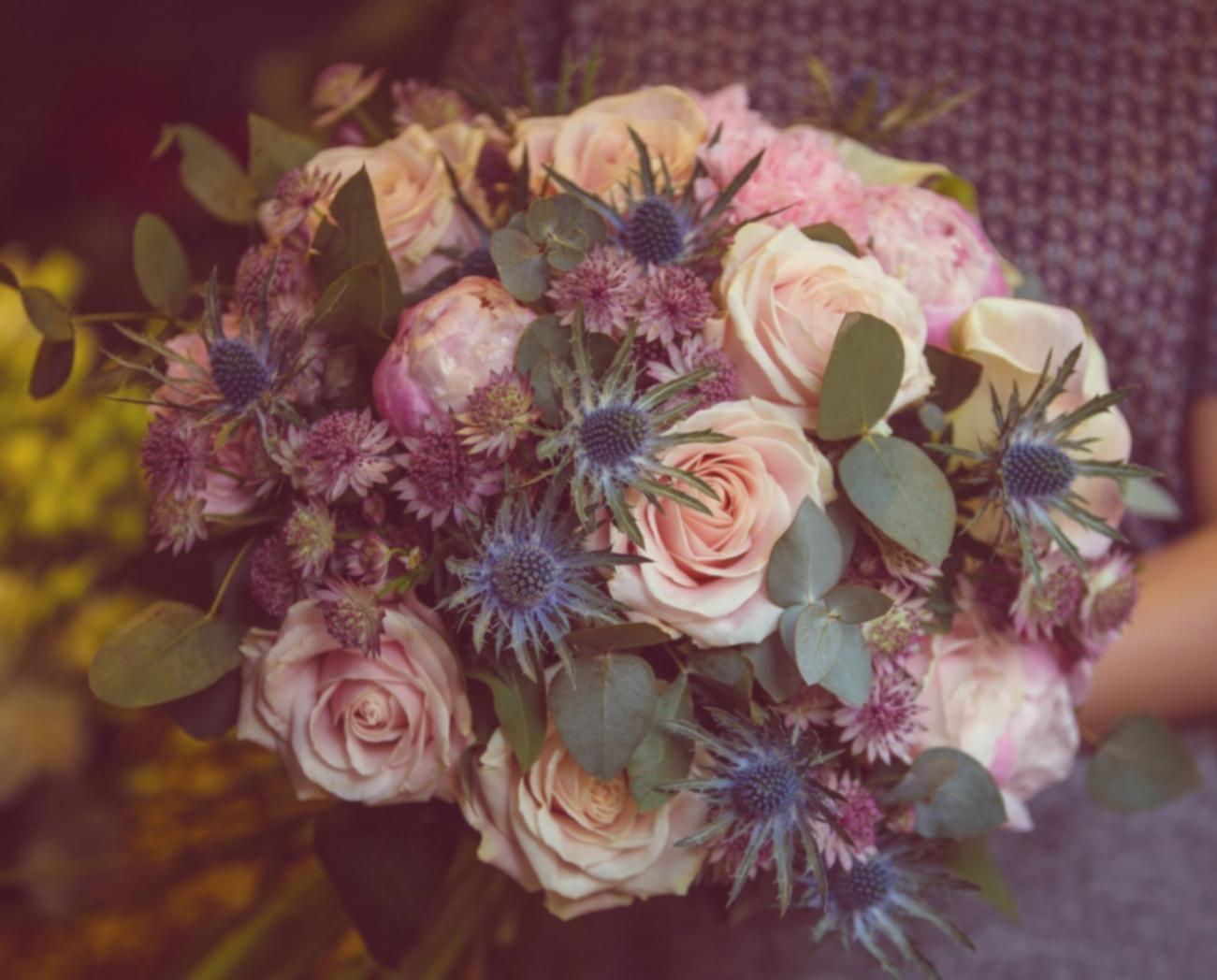
Close-up of mixed flower stems selected for a floral arrangement

What people typically ask first

Starting out

Learners who have never built an arrangement before tend to focus on what to buy and how many stems to get.

  • How many flower types belong in one arrangement?
  • Are supermarket flowers usable for practice?
  • Which stems are easiest to handle and condition?

Occasional arranger

Someone who arranges seasonally or for events usually asks about lifespan, sourcing, and how varieties combine without clashing.

  • Which flowers hold shape for multi-day events?
  • Can tropical and local seasonal stems share a vase?
  • How does stem length affect proportion?

Regular practitioner

Frequent arrangers want to understand the mechanics behind colour ageing, stem conditioning, and structural decisions.

  • Why do some pinks turn blue as blooms age?
  • Which focal flowers tolerate floral foam?
  • How do ethylene-sensitive varieties affect neighbours?
Most arrangements work with 3 distinct roles: a focal flower, a supporting flower, and a filler. Adding more types beyond that usually creates visual noise rather than complexity.
At Melvadu, we typically teach arrangements using 2–4 species in the first few sessions so learners can observe how each stem behaves before adding further variety.
Supermarket roses and chrysanthemums are excellent for practice. Their predictable stem length and conditioning behaviour make them easier to work with than specialty blooms sourced from wholesale markets. The goal in early sessions is developing technique, not showcasing rare varieties.
Alstroemeria, chrysanthemums, and carnations consistently outlast most other cut flowers — often remaining presentable for 12–18 days with clean water changes. Lisianthus and statice also age very slowly.
Roses sit in the middle range. Garden roses typically age faster than hybrid tea roses, which are bred partly for longevity. Peonies and sweet peas are the most time-sensitive focal flowers to work with.
Mixing works well visually, but the vase life mismatch can be a problem. Tropical varieties like anthuriums and heliconias can survive well past 2 weeks, while local spring blooms like tulips or ranunculus may only last 5–7 days. Plan to pull shorter-lived stems before they degrade and damage the composition's appearance.
The traditional guideline is that the tallest stem should be roughly 1.5 times the height of the vessel. This is a starting point, not a rule — low, dense arrangements in wide bowls deliberately break this ratio for mass and weight.
What matters more than any fixed ratio is the relationship between stems within the arrangement. Focal flowers placed at the highest points draw the eye, while shorter placements around the rim create visual grounding.
Anthocyanin pigments, which produce pink and red tones in many flowers, are pH-sensitive. As petals age and their cellular structure breaks down, the local pH shifts and the pigment reflects different wavelengths. This is especially visible in hydrangeas, some roses, and lisianthus. It is not a sign of poor quality — it is a natural pigment response.
Roses, carnations, and alstroemeria absorb water reliably through foam without stem damage. Chrysanthemums also work, though their stems are woody enough that a clean diagonal cut helps.
Tulips, anemones, and most delicate single-petalled flowers perform poorly in foam — their hollow or soft stems collapse. For these varieties, a vase or water-filled vessel with a grid of tape is a better structural approach.
Ethylene is a gas that accelerates ageing in cut flowers. Some varieties — carnations, snapdragons, stocks, and sweet peas — are especially sensitive to it. Placing these near ripening fruit or in a poorly ventilated kitchen will noticeably shorten their vase life. For home arrangements, keeping flowers away from fruit bowls and heat sources is the single most effective thing you can do.
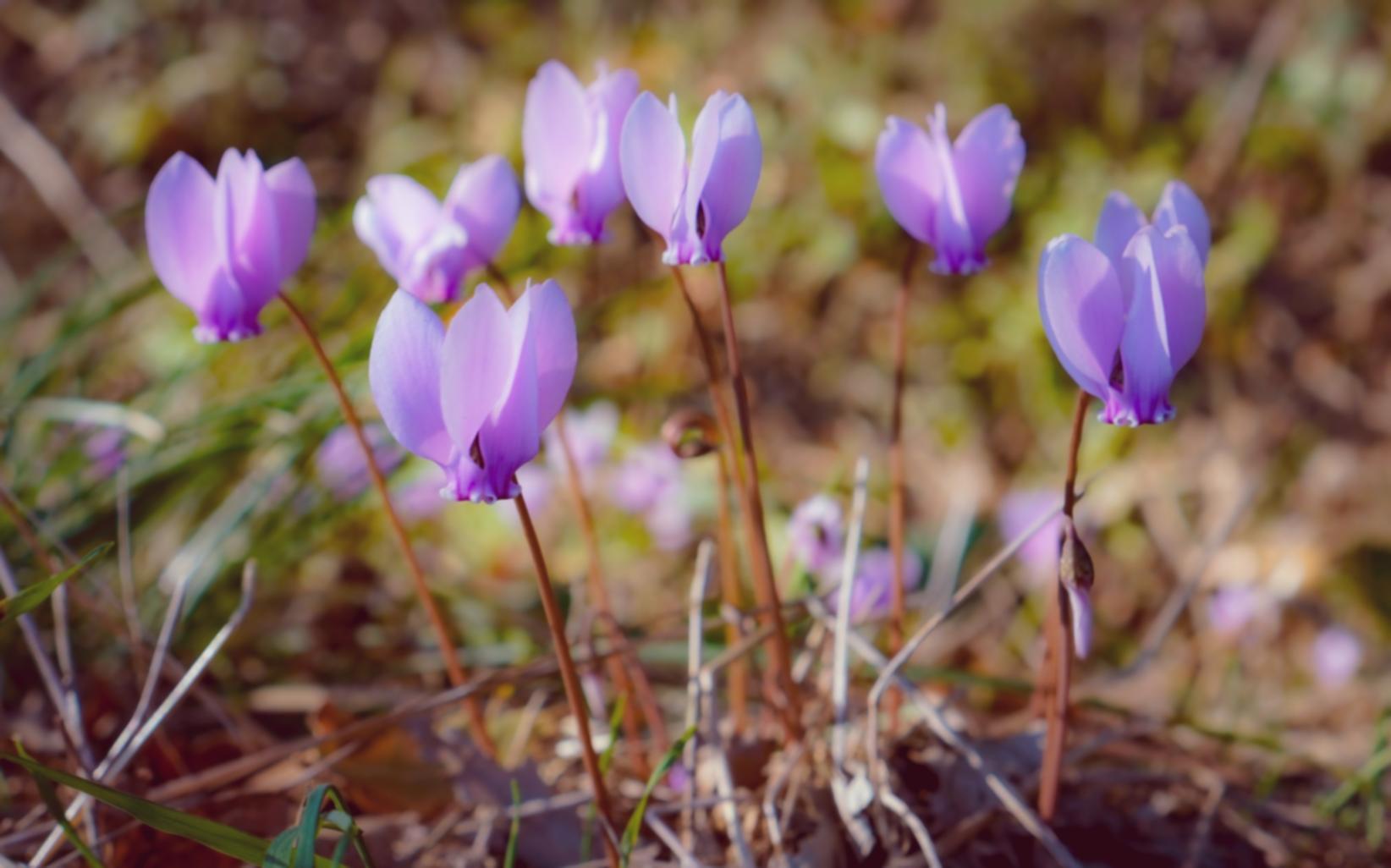
Flower varieties laid out for comparison during a selection exercise

Still have a specific question?

Each arrangement involves variables that written answers cannot fully address — local flower availability, specific vessel shapes, seasonal colour palettes. Reach out directly and someone from the Melvadu team, based at Teatral'na St, 7 in Vinnytsia, will respond with something actually useful.