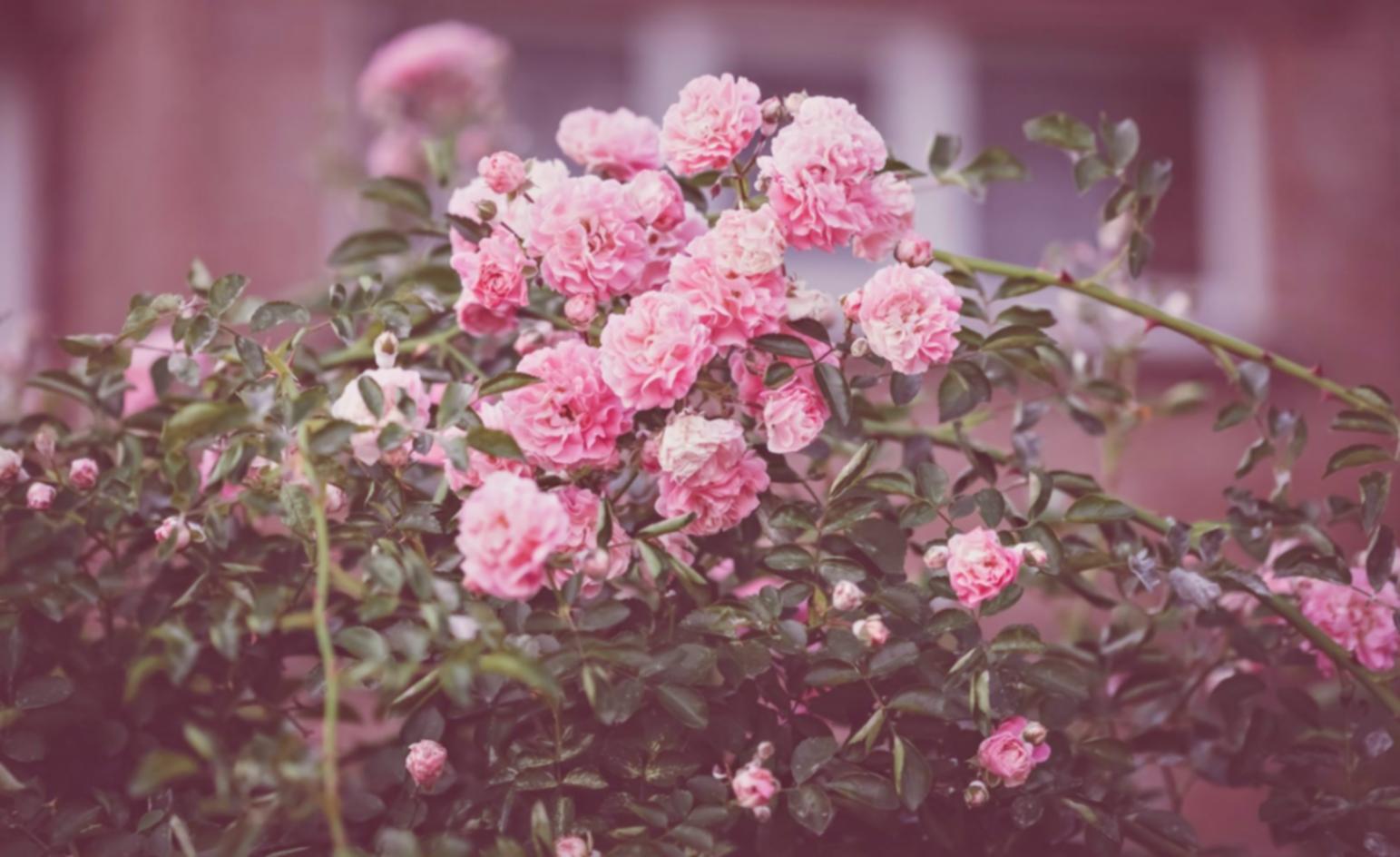
Choosing flowers
takes real skill.
Know exactly which blooms hold their shape, carry the right scent, and belong together in a single arrangement.
Melvadu teaches flower selection through structured lectures built around practical decisions — stem durability, seasonal availability, color temperature, and texture contrast. Each session is short, focused, and ordered so that later lessons build directly on earlier ones.
The part that stops most people before they start
Flower selection feels like a skill you either have or you don't — that hesitation is what keeps most people browsing images rather than actually arranging.
Do I need prior floristry experience?
No prior training is required. The program starts from the logic of how different flower types behave — not from assumed knowledge.
Will this work if I can only access local markets?
Every topic is grounded in what is actually available through standard suppliers — roses, ranunculus, lisianthus, carnations, seasonal foliage. No exotic imports required to practice.
How much time does each lecture take?
Each lecture runs between 20 and 35 minutes. Sessions are recorded and can be paused, rewound, and revisited without losing your place in the sequence.
Is this for hobbyists or working florists?
Both groups move through the material, though for different reasons. Hobbyists gain confidence choosing at the market; working florists refine how they explain choices to clients.
Recognising your own situation in someone else's description
Daryna Kovalchuk
Event florist, Vinnytsia
Started the program after two years of working by feel. The section on stem conditioning alone changed how I prep for weddings — fewer losses overnight, better client feedback on freshness the following day.
Bohdan Stetsiuk
Weekend market vendor, Lviv
Bought flowers by habit — same varieties every week because they felt safe. After the color temperature lectures I started pairing warmer creams with dusty mauves and selling mixed bundles instead of singles. Noticeable difference in what moved.
Olena Fedorenko
Hobby arranger, Kyiv
Had been watching tutorials for months without a clear framework. The lecture sequence gave me a reason why each decision matters — not just what to pick, but what the flower is doing structurally inside the arrangement.
What the program covers
Six structured modules, each addressing a different layer of the selection process.

01
Stem structure and water uptake
Understand why some flowers outlast others in a vase. Covers hollow vs woody stems, cut angle, conditioning water temperature, and which species are sensitive to ethylene exposure.

02
Color temperature in arrangements
Separate warm and cool flower tones by eye rather than by label. Includes practical exercises pairing cream ranunculus with lavender statice and soft coral spray roses with blush lisianthus.
03
Texture contrast
Match smooth-petalled flowers with feathered foliage or spiky accents. The lecture explains visual weight distribution across the arrangement.
04
Seasonal availability windows
Map which flowers are reliably sourced in each quarter without premium import pricing. Includes substitution logic for out-of-season requests.
05
Scent compatibility
Identify which combinations create a coherent scent profile and which compete. Covers high-volatility flowers like freesia and hyacinth alongside neutral-scent fillers.
06
Market-day selection decisions
Evaluate quality under typical market conditions — light, speed, limited access. Covers what to check on a stem in under 30 seconds.
What changes after finishing the sequence
Completing the program does not produce instant expertise — it produces a decision-making framework that gets faster with each arrangement you put together.
- Choosing at the market takes less guesswork — you look at a flower differently when you know what its stem is telling you
- Color grouping becomes a considered decision rather than an intuitive one you cannot explain to anyone else
- Explaining choices to clients or workshop participants becomes straightforward because the reasoning is structured
- Substituting an unavailable flower for an appropriate alternative stops feeling like a compromise
- Wastage at the stem-prep stage tends to drop when conditioning steps are applied consistently
- Arrangements hold together visually across multiple flower types rather than reading as a random collection
How this differs from a standard floristry course
Most courses begin at the vase. This program begins at the point of choosing — so every arrangement decision is grounded in properties the flower was already carrying when you picked it up at the market.
The six lectures are ordered deliberately. Lesson 3 on texture contrast references specific flowers introduced in lesson 1 — the sequence is load-bearing, not decorative.
Exercises use flowers available through standard Ukrainian wholesalers and farmers' markets — not a curated import catalogue accessible only to urban professionals.
Reach the program through the learning program page, or read how the lectures are structured before enrolling. Questions about access go to the contact page — responses come within one working day.